September 16, 2026
You spend more hours in your bedroom than in almost any other room, yet most decisions about it get made in daylight: how the paint reads in a photo, whether the rug covers the floorboards, if the headboard looks good next to the lamp. Sleep happens later, in the dark, when your eyes are half closed and your skin is doing most of the noticing. That gap between how a bedroom looks at noon and how it feels at eleven at night is where decor quietly helps or gets in the way.
Light Is the Loudest Thing in the Room
Bright light in the evening tells your body it is still daytime. That signal is useful at breakfast and unhelpful at bedtime, and it arrives from more places than most people expect: the ceiling fixture, the hallway glow under the door, the phone screen, the blue standby light on a television.
Overhead lighting is the usual culprit. A single bright fixture above the bed flattens the room and puts light directly into your eyes while you are trying to wind down. Lamps at eye level or lower, with warm bulbs and dimmers, let you see what you are doing without announcing that the day is still in full swing.
- Warm bulbs, low placement. Look for bulbs labeled around 2700K. Table lamps and wall sconces beside the bed beat a central fixture every time.
- Dimmers or three-way switches. Being able to drop from bright to barely-there without getting up changes how the last hour of the evening feels.
- Blackout curtains that actually overlap. A gap at the edge of the curtain lets in a stripe of light at dawn. Overlap the panels or add a wrap-around rod.
- A dark bedroom at night. Cover indicator lights with a strip of tape or turn devices away from the bed.
Morning is the opposite problem. If your room stays dim until ten, open the curtains as soon as you wake. Light in the morning and darkness at night is the pattern your body reads best. If you consistently struggle to sleep despite a dark, quiet room, talk to a doctor rather than redecorating your way around it.
Color: Saturation Matters More Than Hue
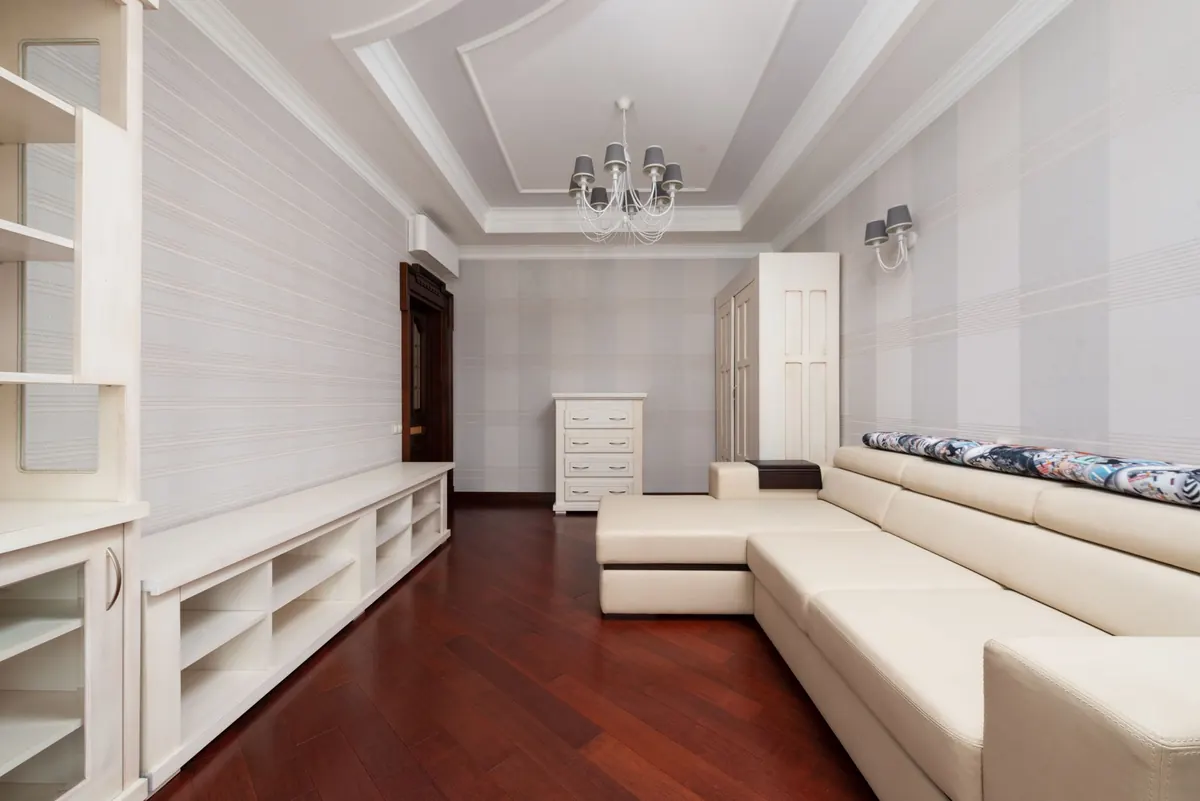
People argue about whether blue or green is the most restful wall color, but the bigger variable is how intense the color is. A saturated cobalt or a hot coral keeps the eye busy; a muted version of the same hue settles down. That is why so many bedrooms land on soft greys, oatmeal, sage, dusty blue, or warm off-white.
This does not mean a beige box. Contrast is what keeps a calm room from feeling flat. Try a deeper tone on the wall behind the headboard and lighter walls elsewhere, or keep the walls pale and bring depth through bedding, an upholstered bench, or a single dark accent. If you love a bold color, use it in small doses and below eye level, where you are less likely to look straight at it while lying down.
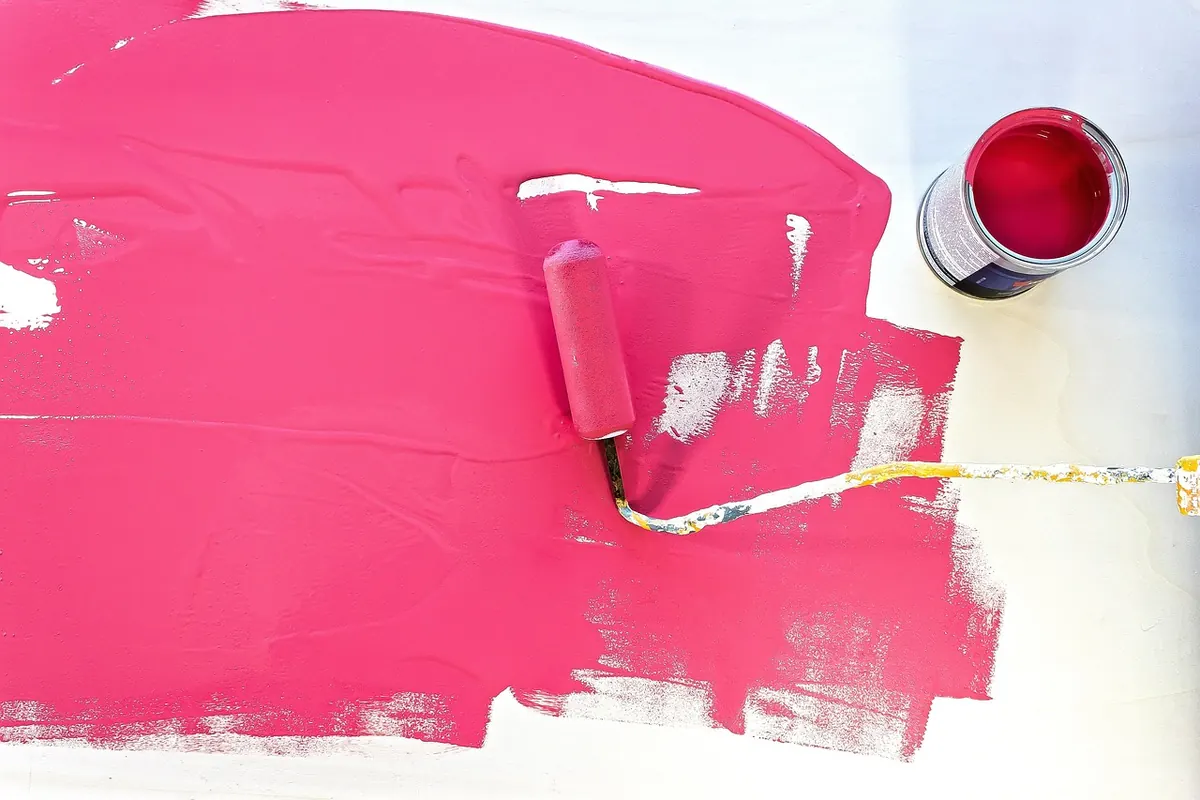
One practical habit: paint large samples on the wall and look at them at night, under your own lamps, before committing. Colors shift dramatically between daylight and warm bulb light, and the version you see at 10 p.m. is the one you will live with.
Texture Does More Than Look Good
Your skin is the first thing to notice a bedroom, long before your eyes adjust to the dark. Sheets that feel cool and crisp, a blanket with a little weight, a rug that is soft underfoot when you get up for water at two in the morning — these are not luxuries so much as small reductions in friction.
What to look for in bedding
Percale cotton feels cool and slightly crisp. Sateen feels smoother and a touch warmer. Washed linen breathes well and softens with every wash. All three are reasonable choices; the mistake is buying for looks and ending up with something scratchy, stiff, or staticky that you notice every time you shift.
Layer rather than commit to one heavy duvet. A light quilt plus a wool or cotton throw lets you adjust through the night without getting up, and it looks better than a single bulky layer anyway. If you are considering a weighted blanket for the sensation of gentle pressure, check with a doctor first if you have any breathing or circulation concerns.
Walls and headboards carry texture too. Limewash, plaster finishes, a linen-wrapped panel, a boucle or caned headboard — all of these soften sound slightly and give the eye something to rest on. Glass, chrome, and glossy lacquer read as cooler and sharper, which can feel energizing rather than restful in a large dose.
Clutter, Layout, and the Work of Settling Down
A bedroom with visible laundry, charging cables, and a desk covered in papers asks your brain to keep sorting. You do not have to be a minimalist, but it helps to give mess a home: a lidded basket, a drawer, a tray for keys and glasses. Cords can run through a single clip or channel so the wall reads as a clean line.
Bed placement does more than you would think. A solid wall behind the headboard and a view of the door suits most people; so does leaving enough space on both sides to get in and out without climbing. Matching nightstands and lamps create a symmetry that the eye reads as order, even when the closet behind the door is a disaster.
If you must keep a workspace in the bedroom, close it down at night. Shut the laptop, cover the screen, put pens in a drawer. The goal is a room that stops asking things of you once the lights go low.
Air, Sound, and Scent: The Senses You Forget
Soft furnishings absorb echo, which is why a room with a rug, curtains, and an upholstered headboard feels quieter than a bare one with hard floors. If your bedroom sounds hollow, textiles will do more than a white noise machine — though a fan running on low can help mask traffic and neighbours.
Air matters as much as looks. A bedroom that gets stuffy overnight wakes people up. Crack a window, or use a fan to keep air moving, and choose curtains that do not seal the room completely. For scent, keep it faint and simple: a lightly scented candle burned earlier in the evening, or nothing at all. Strong synthetic fragrance in a closed room can be irritating rather than soothing.
A Simple Evening Reset
You do not need to remodel. Try this sequence over a week and see how the room feels by Friday:
- Switch off the ceiling light after dinner and use two lamps instead.
- Close the curtains fully and check for light leaks from outside and from devices.
- Clear the two surfaces you see from bed: nightstands and the top of any dresser.
- Swap one harsh or scratchy layer — a stiff duvet cover, a prickly throw — for something softer.
- Add one item that makes the room feel finished to you: a textured cushion, a small framed print, a rug beside the bed.
Good bedroom decor is not about a certain palette or a shopping list. It is about removing the small jolts — glare, scratch, noise, clutter — that keep you alert when you would rather be asleep. Get those right, and the room does its quiet work.
Photo: Vidal Balielo Jr. / Pexels